Car Dashboard Warning Lights: What Every Symbol Means
How the Car Dashboard Warning Lights Colour System Works
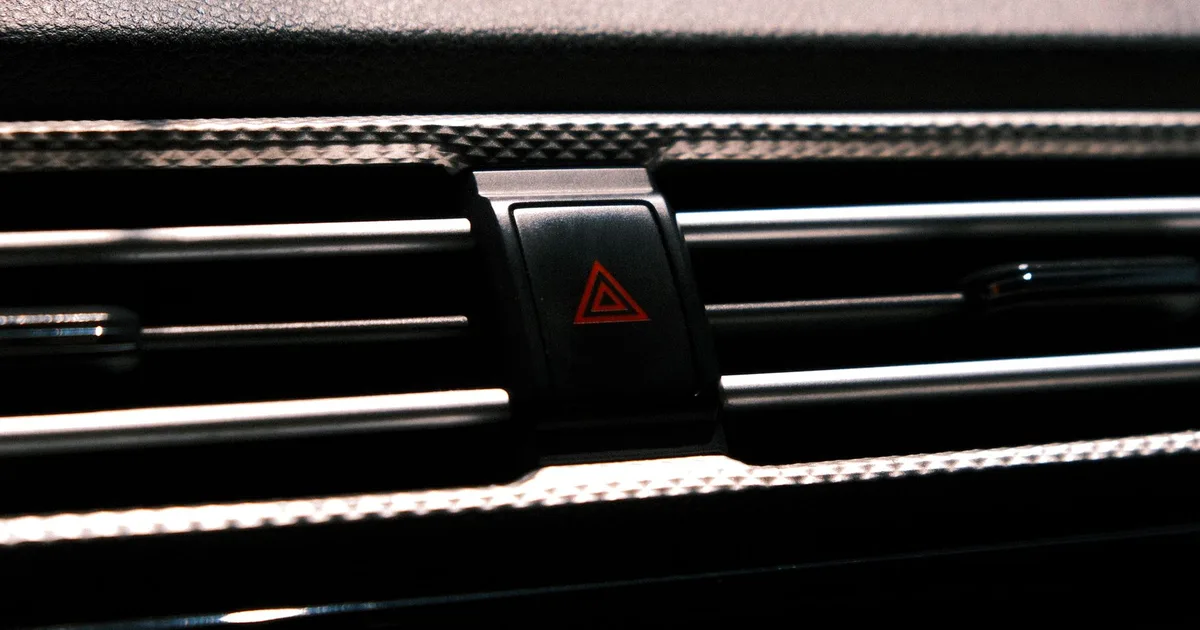
Car dashboard warning lights are designed as a traffic-light system. The colour of the symbol tells a driver how urgent the problem is, not how complicated it is. Understanding this system removes guesswork and helps avoid both panic and neglect.
Red means stop. A red warning light indicates a serious fault is present. The driver should stop as soon as it is safe to do so and not continue until the fault has been investigated. Amber, sometimes shown as yellow or orange, means a fault or condition needs attention soon, but in most cases does not require an immediate stop. The vehicle should be checked within a few days. Green and blue lights are informational only. They confirm that a system is switched on or active, such as headlights, full beam or cruise control, and no action is required.
Dashboard warning lights meaning therefore varies by colour first and symbol second. One rule sits above the colour system: a flashing warning light is always more serious than a steady one of the same colour. A flashing red light means stop immediately. A flashing amber light means drive to a garage without delay and do not continue a long journey.
The table below lists the most common car warning lights symbols and what each one means.
| Symbol | Colour | What it means |
|---|---|---|
| Oil can | Red | Engine oil pressure is critically low. Stop immediately to avoid catastrophic engine damage. |
| Thermometer in liquid | Red | Engine coolant temperature is too high. Stop immediately to avoid head gasket failure. |
| Circle with exclamation mark or 'BRAKE' | Red | Low brake fluid or a brake fault when the handbrake is not applied. Stop and do not drive until checked. |
| Battery | Red | Charging system fault, likely the alternator. Drive directly to a nearby garage or home without switching the engine off. |
| Person with circle | Red | Airbag (SRS) fault. The airbag may not deploy in a collision. Get it checked promptly. |
| Engine outline | Amber | Engine management light. A fault is stored in the engine control unit. Drive to a garage within a few days if the car drives normally. |
| Exclamation mark inside a tyre cross-section | Amber | Tyre pressure monitoring system. One or more tyres is significantly below recommended pressure. |
| Car with skid lines | Amber | ESP or traction control fault if permanently lit. This is a safety system and needs checking. |
| Spanner or wrench | Amber | Service due. The scheduled service interval has been reached. Book a service soon. |
| Dotted pipe | Amber | Diesel particulate filter (DPF) blocked on a diesel car. A sustained motorway run may clear it. |
| Headlight or full beam symbol | Green or blue | Informational only. A system is switched on or active. No action required. |
Red Dashboard Warning Lights: Stop and Take Action
A red dashboard warning light should never be ignored or treated as something to look at later. Five red lights in particular demand an immediate response.
The engine oil pressure warning, shown as an oil can, means oil pressure is critically low. Running an engine in this state can cause catastrophic internal damage within minutes, so the driver should stop immediately. The engine coolant temperature warning, a thermometer in liquid, means the engine is overheating. Continuing to drive risks head gasket failure and permanent damage, so this also requires an immediate stop.
The brake system warning, a circle with an exclamation mark or the word 'BRAKE', signals low brake fluid or a brake fault if the handbrake is not applied. Brakes may be seriously compromised, so the car should be stopped and not driven until checked. The battery or charging system warning, shown as a battery symbol, usually means the alternator is failing and the car is running off battery reserves only. The driver should head directly to a nearby garage or home without switching the engine off, because once stopped the car may not restart. The airbag warning, a person with a circle, means the SRS airbag system has a fault and the airbag may not deploy in a collision, so it needs prompt attention.
The flashing rule matters most here. A flashing red light is always more urgent than a steady one and means stop immediately.
Engine Management Light: What It Means and When to Worry
The engine management light, also called the malfunction indicator lamp, is an amber warning light showing an outline of an engine. It is one of the most misunderstood symbols on the dashboard because it covers a wide range of faults, from trivial to serious.
A steady engine management light does not mean stop immediately, unless it is accompanied by obvious symptoms such as rough running, loss of power, smoke or an unusual smell. The AA advises that if the engine management light is on but the car drives normally, the driver should take it to a garage within a few days for a diagnostic scan. If the engine management light is flashing, it should be treated like a red warning light and the driver should stop driving.
A diagnostic scan uses an OBD-II reader to read fault codes stored by the engine control unit. These codes identify which sensor or component has failed, which is why a scan is the sensible first step rather than replacing parts at random. Common causes include a loose fuel cap, which is worth checking first, a faulty oxygen sensor, a failing catalytic converter, a spark plug or ignition coil fault, and a mass airflow sensor fault.
A lit engine management light can also cause an MOT failure if the underlying fault produces excess emissions or relates to a safety system. For that reason, an engine management light that has been on for weeks should not be treated as harmless.
Amber Warning Light on Your Dashboard: Can You Keep Driving?
An amber warning light means a fault or condition needs attention soon, but in most cases does not require an immediate stop. The answer to whether a driver can keep going depends entirely on which amber warning light is lit.
The tyre pressure monitoring system light, an exclamation mark inside a tyre cross-section, means one or more tyres is significantly below recommended pressure. All four tyres should be checked and inflated as soon as possible. New cars sold in the UK since 2014 are required to have TPMS. The ESP or traction control warning, a car with skid lines, indicates a fault if it stays on permanently rather than flashing briefly during cornering. Because it is a safety system, it should be checked. The service due indicator, a spanner or wrench, means the vehicle has reached its scheduled service interval. It is not an immediate safety issue but should be booked soon. The DPF warning, a dotted pipe symbol on diesel cars, means the diesel particulate filter is blocked. A motorway run at sustained speed may clear it, but if the light stays on, a garage regeneration is needed.
On the question of driving with an amber warning light on, the AA guidance is clear: it would not recommend driving more than a couple of miles with an amber warning light on. A steady engine management light with no other symptoms is generally safe for a careful trip to a nearby garage the same day or the next day, but it is not safe to ignore for weeks. A flashing amber light means drive to a garage without delay, and a tyre pressure warning should be acted on immediately rather than carried into a long journey, as the risk of a blowout increases with under-inflated tyres.
Warning Lights and Buying a Used Car
When viewing a used car, any warning light that is lit at the time of viewing is a red flag. The seller must disclose any known faults, and a lit engine management light can indicate anything from a loose fuel cap to a failed catalytic converter. Understanding dashboard warning lights meaning before a viewing gives a buyer a clear basis for asking questions rather than relying on the seller's explanation.
Persistent engine management or emissions lights can cause an MOT failure if the underlying fault would cause the car to fail an emissions test or another MOT check. Before buying, it is sensible to check your car's MOT status and run a free car check to see the vehicle's history. It is also worth confirming the car is legally on the road by checking check whether it is taxed, and reviewing the penalties for driving without a valid MOT if the paperwork looks unclear. If a car cannot be driven legally, the owner may need to declare the vehicle SORN if it cannot be driven legally.
Always ask the seller what the light is for and request a diagnostic report. If they cannot provide one, factor the cost of a diagnostic scan into the price. A test drive that reveals a lit engine management light is a serious flag, not a minor detail.
Frequently Asked Questions
Can I drive with an amber warning light on?
It depends on which light is lit. For most amber lights, the AA advises not driving more than a couple of miles until the car has been checked. A steady engine management light with no other symptoms allows a careful trip to a nearby garage, but a flashing amber light means drive to a garage without delay.
What does the engine management light mean on a UK car?
It means the engine control unit has stored a fault code. Common causes include a loose fuel cap, a faulty oxygen sensor, a failing catalytic converter, a spark plug or ignition coil fault, and a mass airflow sensor fault. A diagnostic scan identifies the specific cause.
Will a dashboard warning light fail an MOT?
A warning light on its own is not an automatic MOT failure, but the underlying fault it points to may be. If a warning light relates to a safety-critical system such as brakes, steering, airbags or lights, the car is likely to fail. The DVSA specifies that an engine management light illuminated during a test is assessed by checking whether the fault causes an emission or safety failure. Booking through the GOV.UK MOT booking page is the standard route.
What does a flashing warning light mean?
A flashing warning light is always more serious than a steady one of the same colour. A flashing red light means stop immediately. A flashing amber light means drive to a garage without delay and do not continue a long journey.
Why is my tyre pressure warning light on after inflating the tyres?
The system may need to be reset after inflation, or one or more tyres may still be below the recommended pressure. All four tyres should be checked again, and if the light remains on, the system or a tyre should be inspected.
What should I do if a red warning light comes on while driving?
Stop as soon as it is safe to do so
Frequently Asked Questions
Ready to Check a Vehicle?
Get instant access to MOT history, tax status, and comprehensive vehicle information
Check a Vehicle Now