Van Tax Check UK: How to Check if a Van is Taxed and How Much It Costs

Why van tax works differently from car tax
Van road tax in the UK does not follow the CO2-based system used for cars registered after April 2017. Instead, a van is taxed as a light goods vehicle, and the rate is flat. It does not matter how economical or how thirsty the engine is, and it does not matter what the exhaust emissions figure says on the V5C. The annual charge is the same for every van that falls into the same category.
A light goods vehicle, for tax purposes, is a goods vehicle with a gross vehicle weight (GVW) up to 3,500kg. GVW is the maximum permitted weight of the vehicle plus its load, not the weight of the van when empty. Most panel vans, car-derived vans, crew vans and small flatbeds sit within this limit. Vehicles above 3,500kg GVW are treated differently and are outside the scope of the light goods vehicle rate.
This flat-rate approach is the key difference from car tax. Two vans registered in the same month pay the same amount, even if one is a small 1.5-litre city van and the other is a larger 2.0-litre model. When someone asks how much is van tax UK, the answer depends on the van's registration date and its compliance category, not on its emissions.
Van road tax 2026: light goods vehicle rates
The 2026/27 rates for light goods vehicles were confirmed in Finance Act 2026. The standard rate for vans registered on or after 1 March 2001 rose from £345 in 2025/26 to £360 for 2026/27. A small number of early Euro 4 and Euro 5 compliant vans, registered within specific windows, pay a lower rate of £140 per year. Vans registered before 1 March 2001 are charged on engine size, and the full table is published at www.gov.uk/vehicle-tax-rate-tables.
| Van category | Annual VED 2026/27 |
|---|---|
| Vans registered on or after 1 March 2001 (most modern vans) | £360 |
| Early Euro 4 and Euro 5 compliant vans (specific registration windows) | £140 |
| Vans registered before 1 March 2001 | Rates based on engine size; see the GOV.UK rate tables |
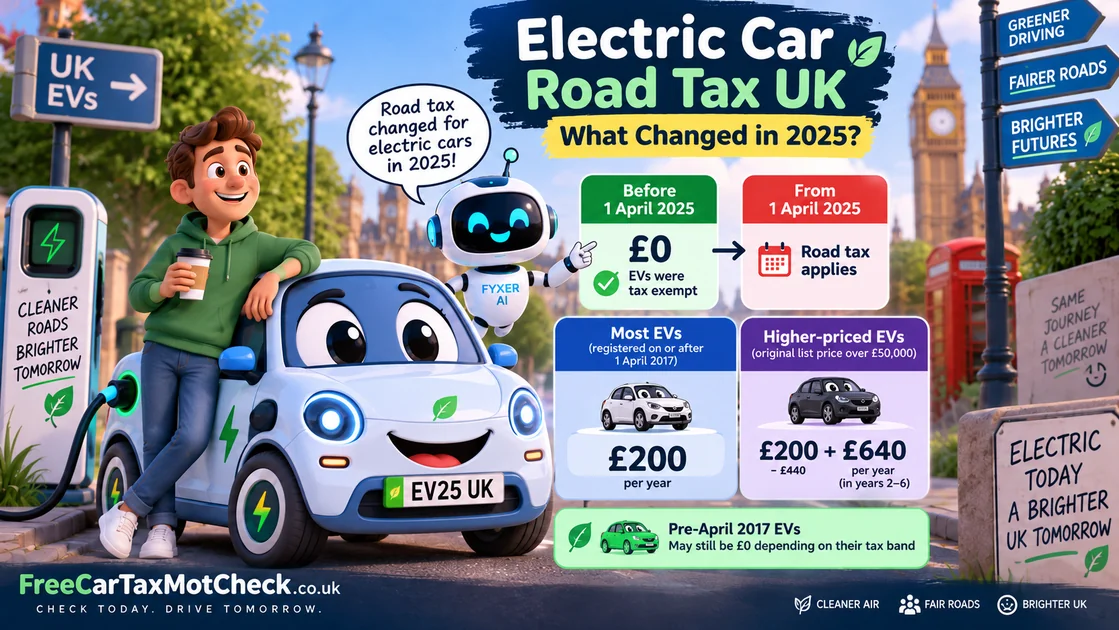
One change catches out many owners: zero-emission vans are no longer exempt from VED. Following changes introduced from April 2025, an electric van with a GVW under 3,500kg pays the standard light goods vehicle rate, which is £360 for 2026/27. Electric vans are therefore no longer a way to avoid van road tax 2026 charges altogether.
How to check if a van is taxed
The quickest way to carry out a van tax check is the free DVLA online service. The keeper or a buyer simply enters the registration number, and the checker confirms whether the vehicle is taxed, when the tax is due to expire, and whether it is on SORN. No account is needed and there is no charge.
To tax a van online, the keeper needs a valid MOT certificate if the van is over three years old, valid insurance, and either the V5C reference number or a DVLA reminder letter. The service is at www.gov.uk/vehicle-tax. A van tax check UK buyers run before purchase is a sensible step, because it shows whether the seller has kept the vehicle properly taxed and whether any gaps suggest wider record-keeping problems.
Van MOT schedule and checking MOT history
A light goods vehicle needs its first MOT three years from the date of first registration, then an annual test every year after that. The schedule is the same as for cars and motorcycles. Once a van reaches three years old, it cannot be taxed without a current MOT certificate, so the tax and test dates are linked in practice.
A van MOT check is free on GOV.UK. Entering the registration number shows the test expiry date, the result of each past test, the mileage recorded at each test, and any advisory or failure items. Reviewing van MOT history before buying is worthwhile: repeated advisories for the same component, or mileage that drops between tests, are warning signs. The MOT certificate explained guide covers what each part of the record means.
SORN and penalties for an untaxed van
If a van is kept off the road and not used or parked on a public road, the keeper can declare SORN. It is free through GOV.UK and remains valid until the vehicle is taxed, sold, or otherwise changes status. A SORN explained guide sets out when a declaration is appropriate and what it does not permit.
Driving a van without valid road tax carries a minimum £80 fixed penalty if paid promptly, and DVLA can clamp or impound untaxed vehicles found on a public road. Release usually involves paying the outstanding tax plus a fee. The penalties for driving without tax or MOT article explains how the two offences interact, which matters because a van without a valid MOT cannot be taxed in the first place.
Frequently Asked Questions
Ready to Check a Vehicle?
Get instant access to MOT history, tax status, and comprehensive vehicle information
Check a Vehicle Now